
In North Carolina, winter looks a little different than it does up north. We may not get weeks of snow, but we do get shorter days, colder nights, bare trees, and long stretches where your landscape is seen almost entirely after dark. That’s exactly why winter landscape lighting is one of the most overlooked—and most impactful—design opportunities of the year.
With the right approach, outdoor lighting can highlight your home, improve safety, and keep your property looking polished and inviting even during the quietest season.
Why Winter Is the Perfect Time to Rethink Landscape Lighting
During winter, your landscape simplifies. Leaves drop, sightlines open up, and architectural features become more visible. Lighting helps you take advantage of that clarity by:
-
Making walkways and driveways safer during early sunsets
-
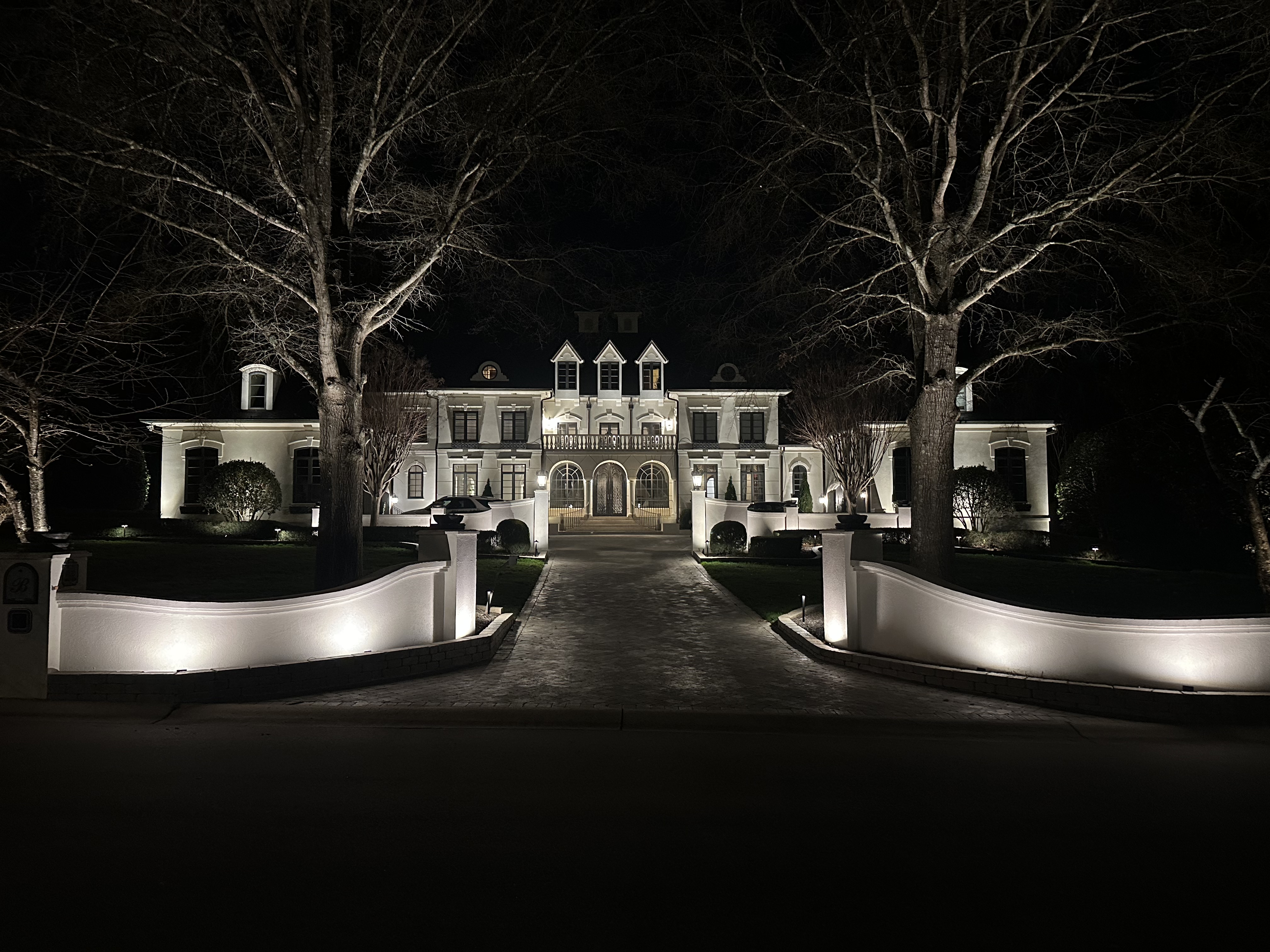
Highlighting home architecture, stonework, and hardscapes
-
Bringing depth and warmth to an otherwise dormant landscape
-
Creating curb appeal when neighbors’ yards go dark at 5:30 PM
In North Carolina’s mild winter climate, outdoor lighting systems can remain fully functional year-round with minimal adjustment—making winter an ideal season to enjoy them.
1. Focus on Structure, Not Just Plants
See Examples from our website 👉 https://southernlightscapes.com/gallery/
When flowers fade and lawns go dormant, structure becomes the star of the show.
Think about lighting elements that don’t rely on foliage:
-
Uplighting mature trees to showcase branching patterns
-
Accent lighting on stone walls, columns, and chimneys
-
Soft washes on brick or siding to add warmth and depth
Homes & Gardens offers a great perspective on how winter lighting should shift focus from plants to form and structure—an approach that works especially well in Southern landscapes where evergreens and hardwoods coexist:
👉 https://www.homesandgardens.com/gardens/how-to-light-a-garden-for-winter
2. Keep Safety Front and Center
North Carolina winters bring rain, frost, and early darkness—making visibility more important than ever.
Strategic pathway and step lighting helps:
-
Prevent slips on damp walkways
-
Clearly define elevation changes
-
Make guests feel comfortable arriving after dark
Low-glare, evenly spaced path lights and subtle step lighting provide function without overpowering the landscape.
3. Use Warm Light to Add Comfort
Winter evenings should feel cozy, not harsh. Choosing the right color temperature is key.
-
Warm LEDs (2700K–3000K) feel inviting on patios and entryways. The color tempature of your lighting is very imprtant, and when changing out lamps make sure everything matches.
-
Soft lighting balances out the cool tones of winter skies
-
Layered lighting (path + accent + architectural) creates depth
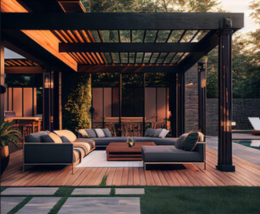
Even simple additions—like string lights on a pergola or soft accents near outdoor seating—can transform how your space feels on a cold evening.
For homeowners looking at winter lighting from a broader seasonal landscaping perspective, Today’s Homeowner highlights how lighting plays a key role in keeping outdoor spaces attractive and functional during the winter months:
👉 https://todayshomeowner.com/lawn-garden/guides/10-winter-landscaping-ideas-to-spruce-up-your-outdoor-space/
4. Adjust Timers for Shorter Days
One easy but often forgotten winter upgrade: reset your lighting timers.
In North Carolina, sunset shifts dramatically from summer to winter. Updating timers ensures:
-
Lights turn on before it gets dark, normally around 30 mins before dusk
-
Your home looks welcoming during peak evening hours
-
You’re not wasting energy running lights longer than needed
Smart controls make this adjustment effortless and keep your system aligned with the season.
Final Thoughts
Winter doesn’t have to mean a dark or lifeless landscape—especially in North Carolina. With thoughtful lighting that emphasizes structure, safety, and warmth, your outdoor spaces can remain just as beautiful in January as they are in July.
Landscape lighting isn’t just for growing seasons—it’s a year-round design element that truly shines when the days get shorter.